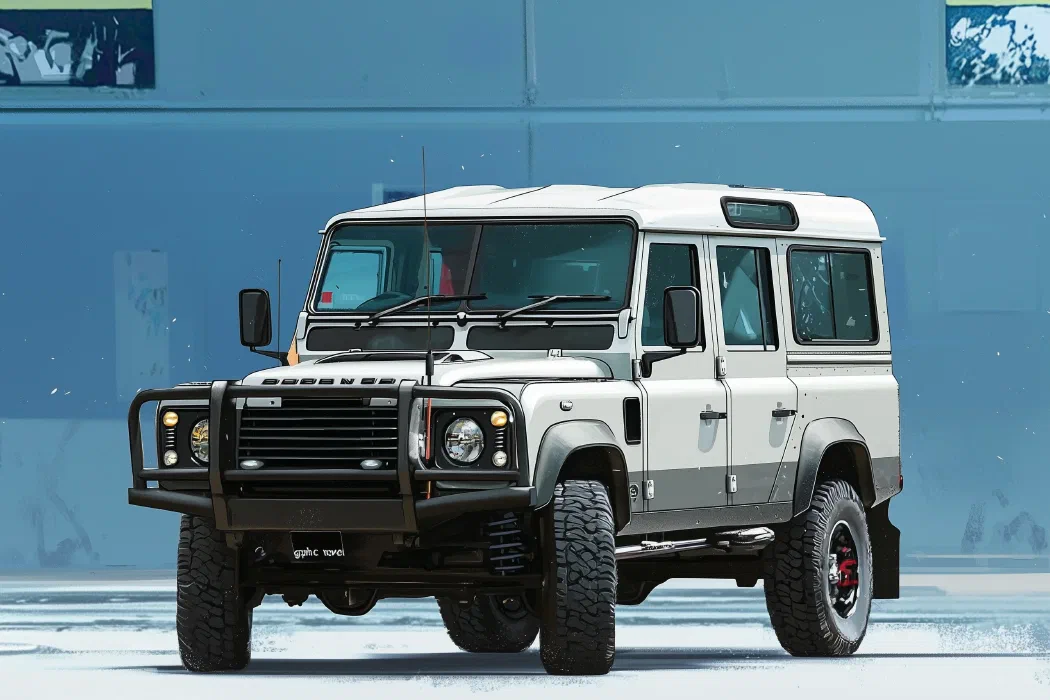
FOR SALE — $25,000 — Hood River, Oregon →
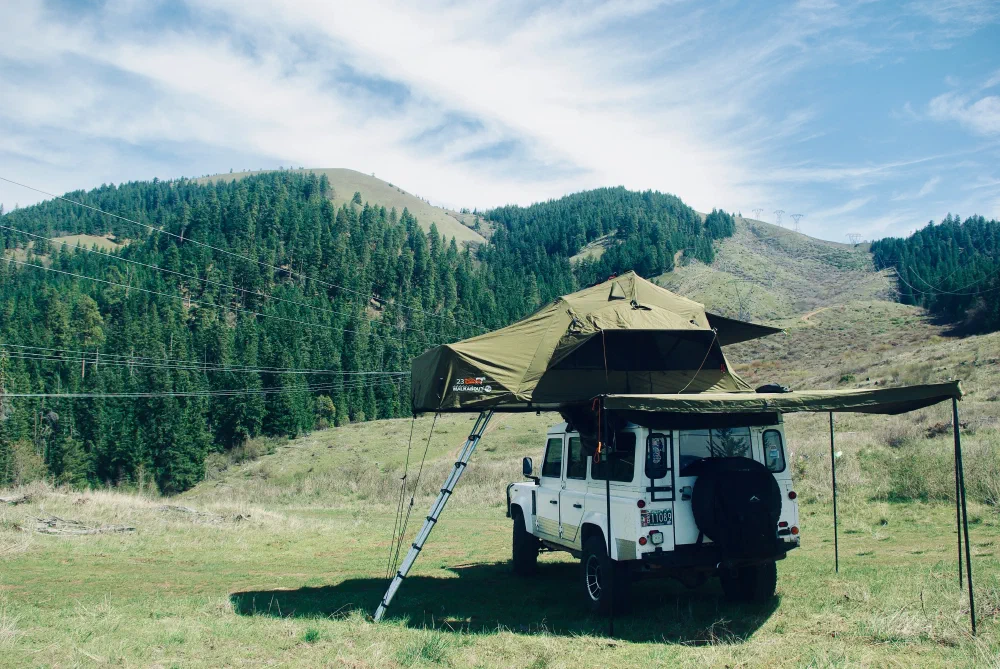
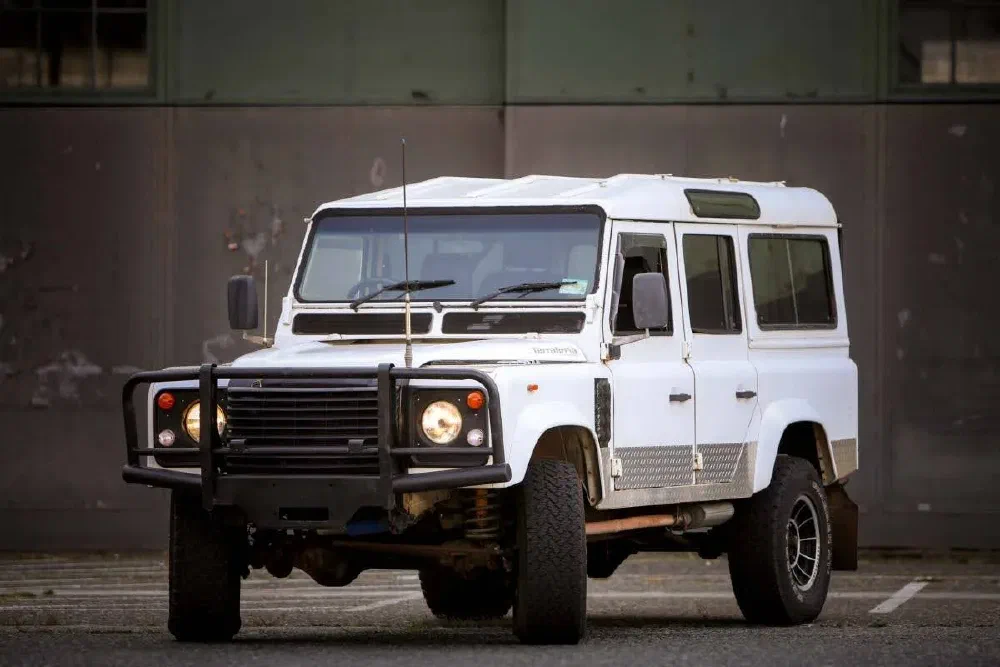
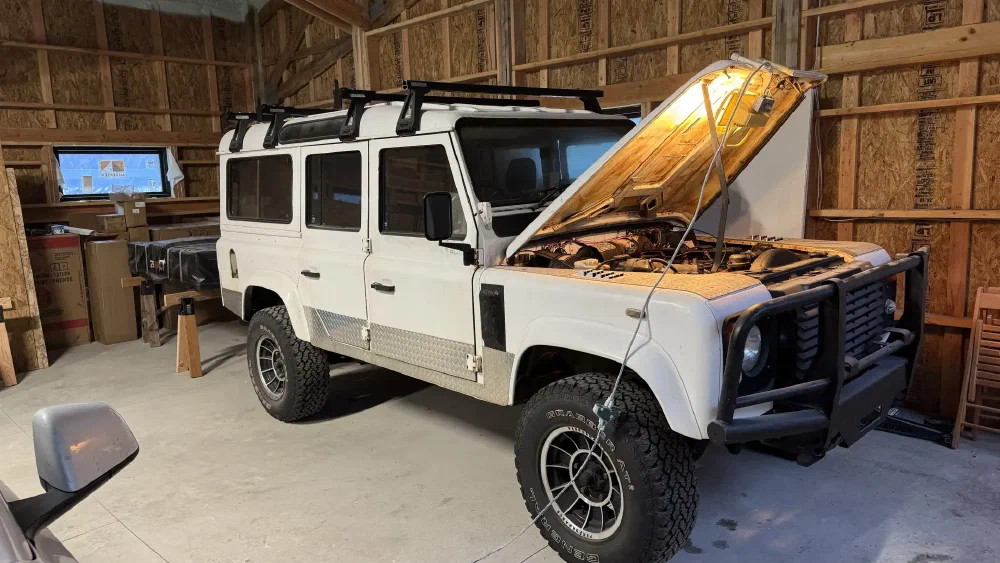
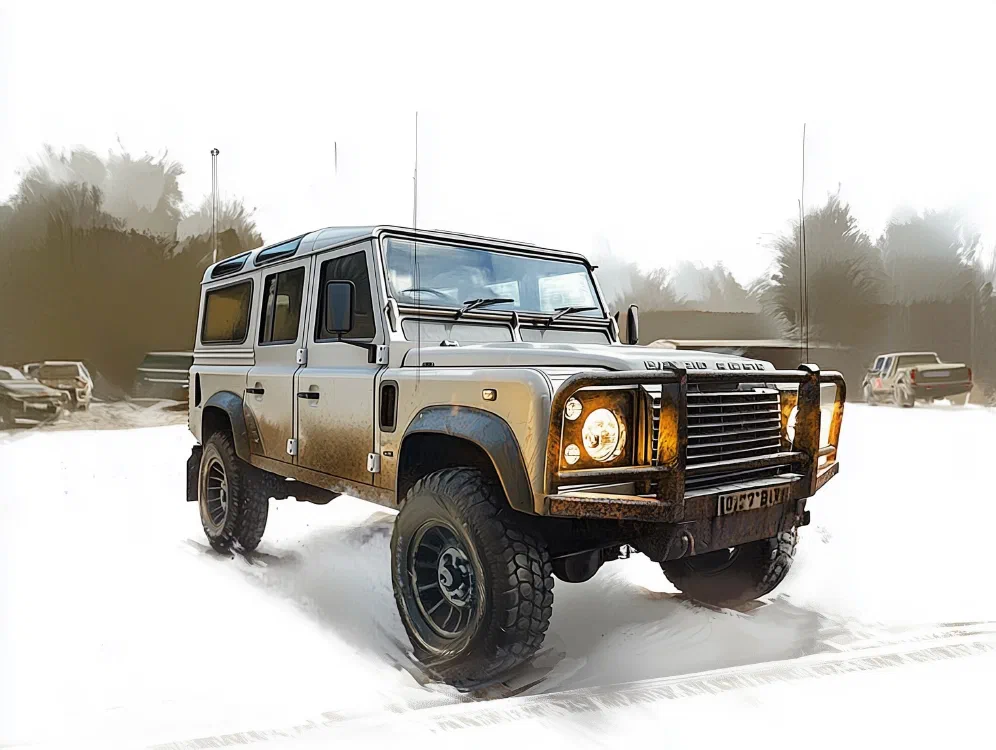
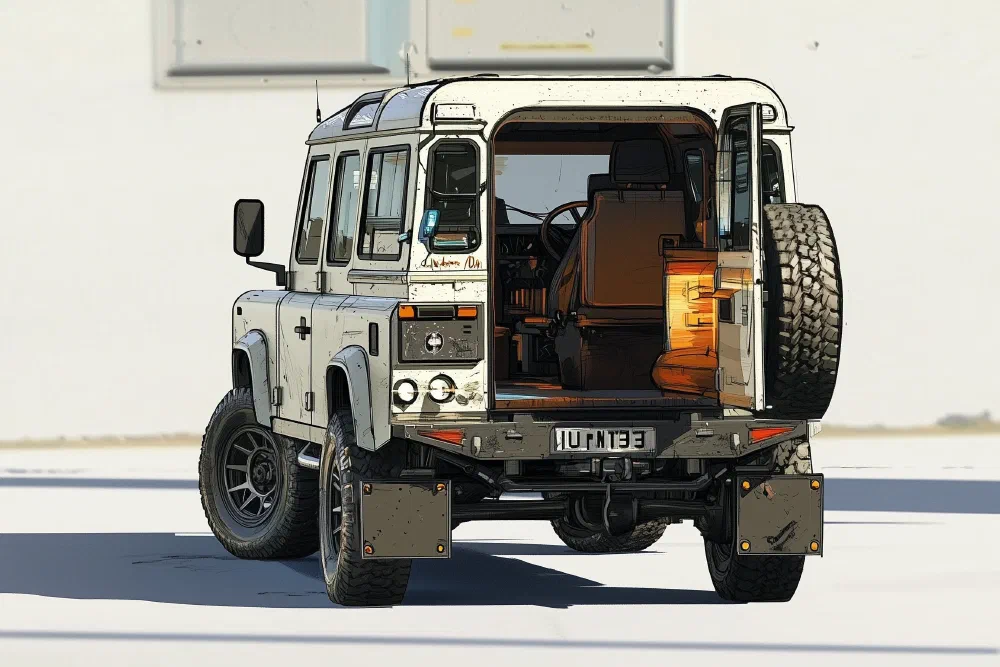
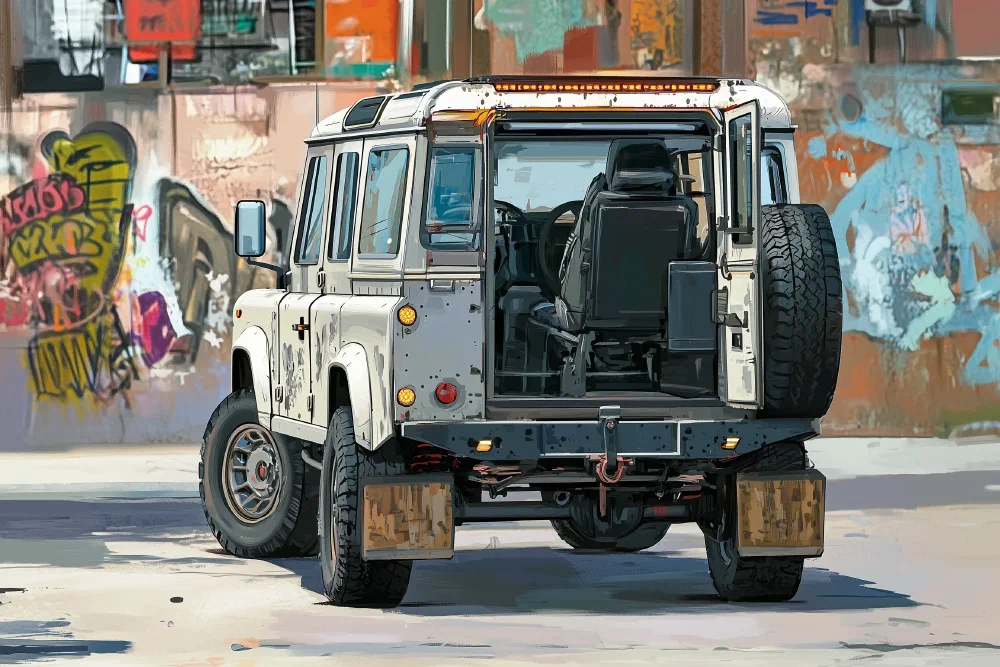
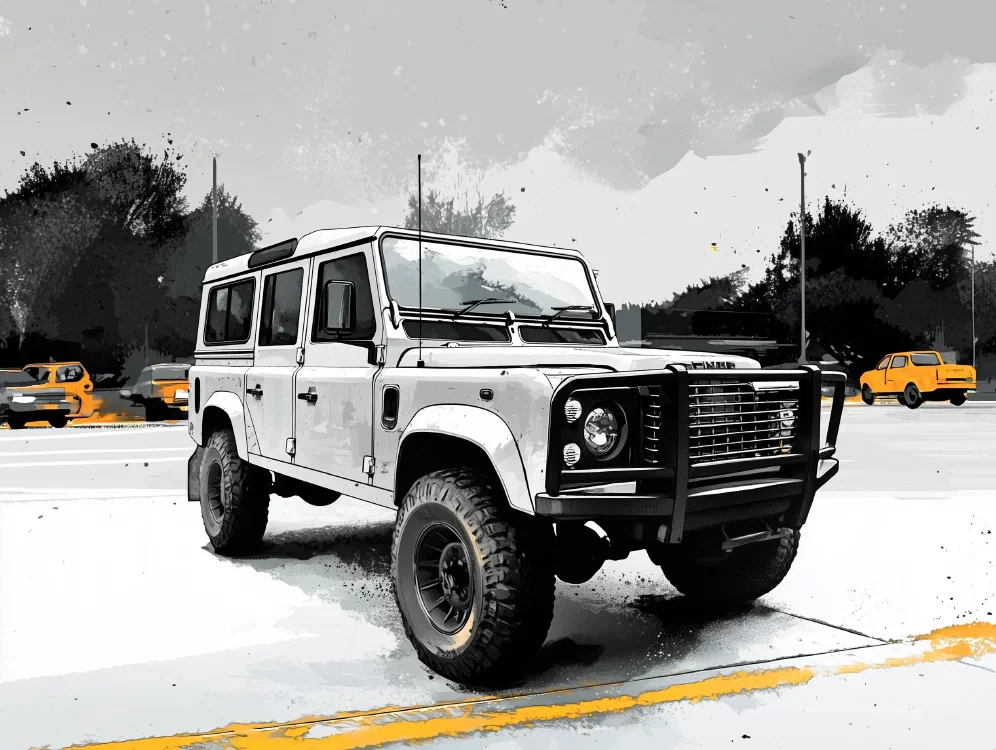
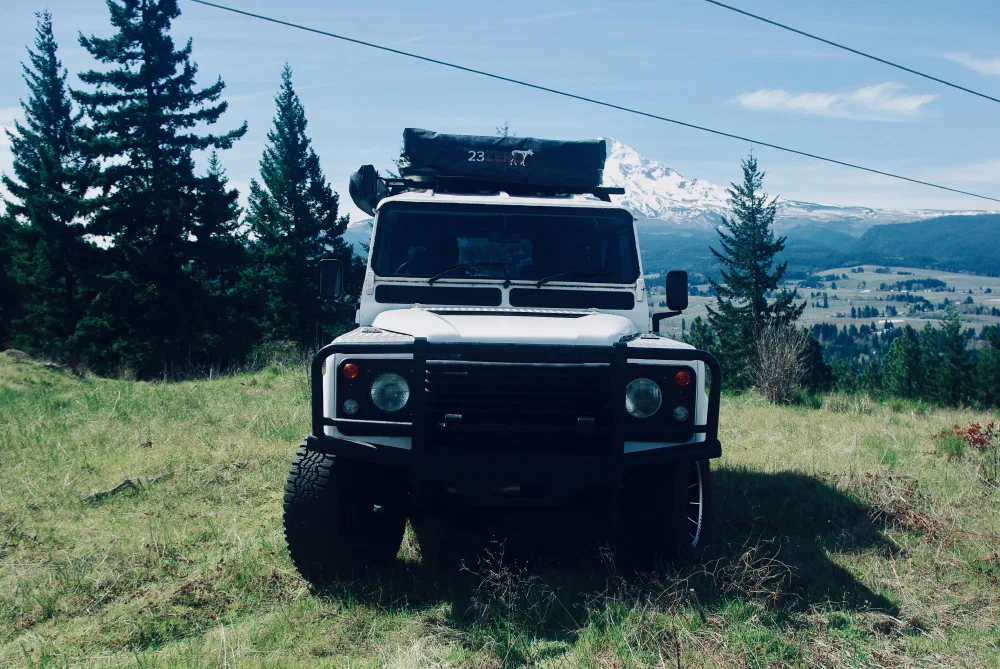
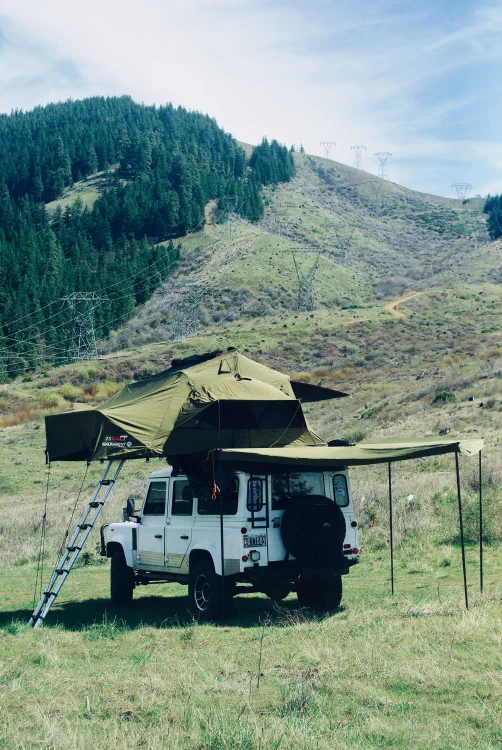
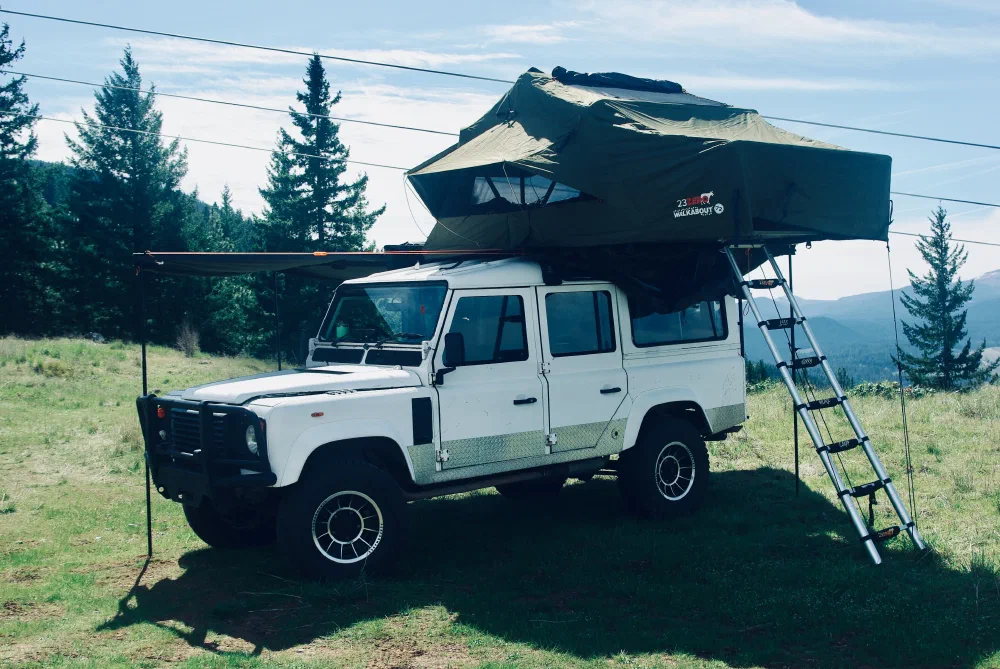
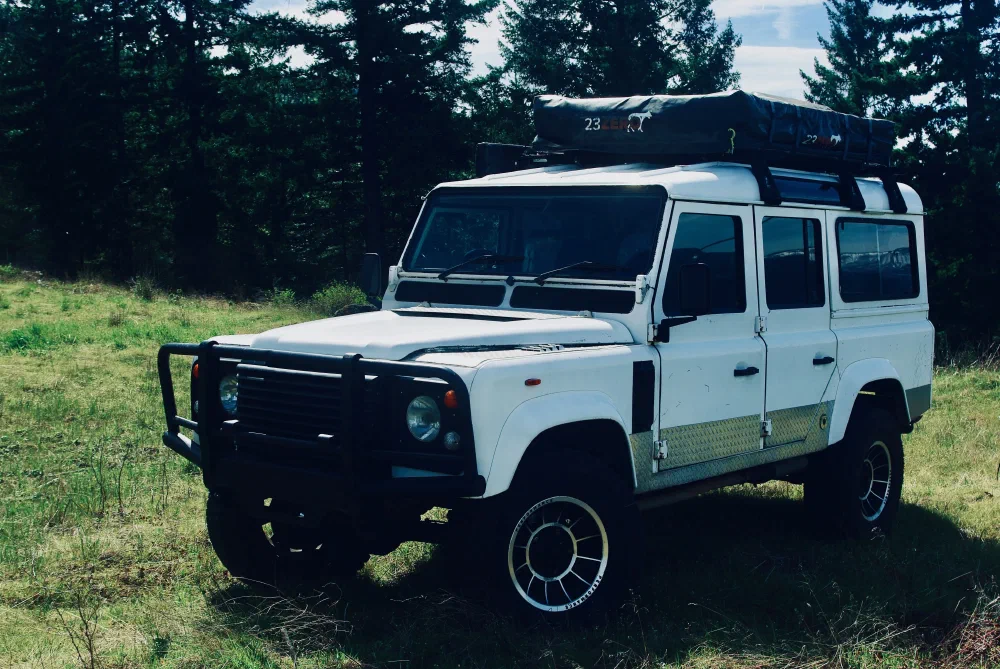
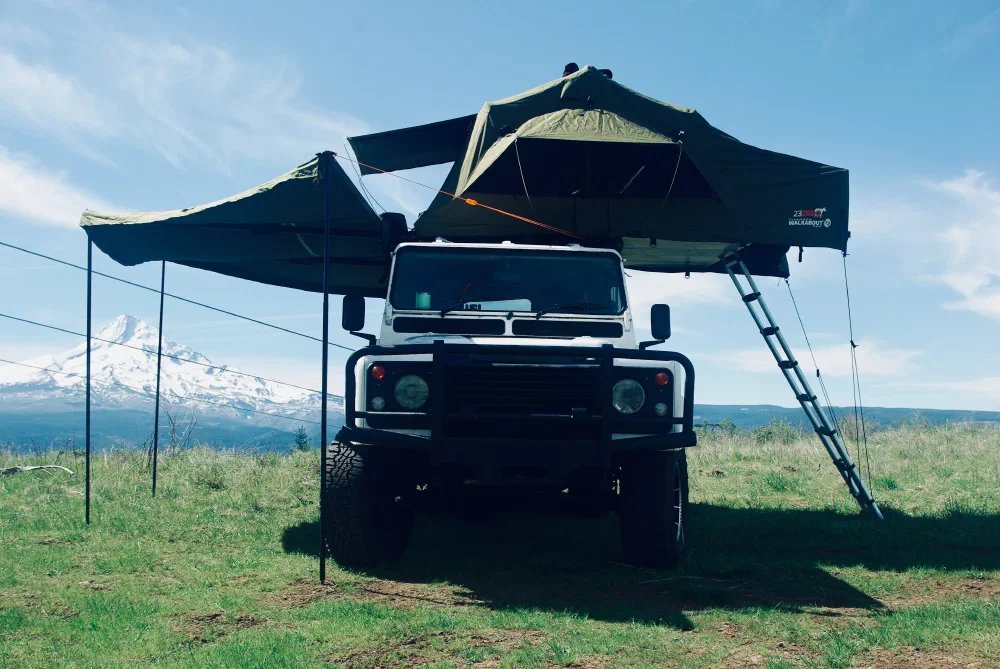
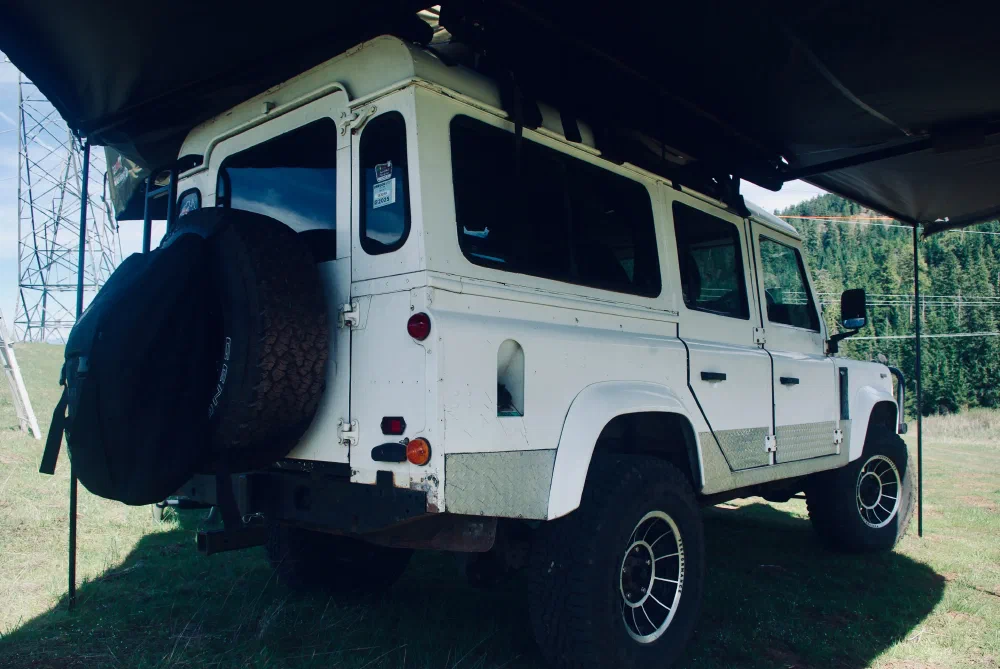
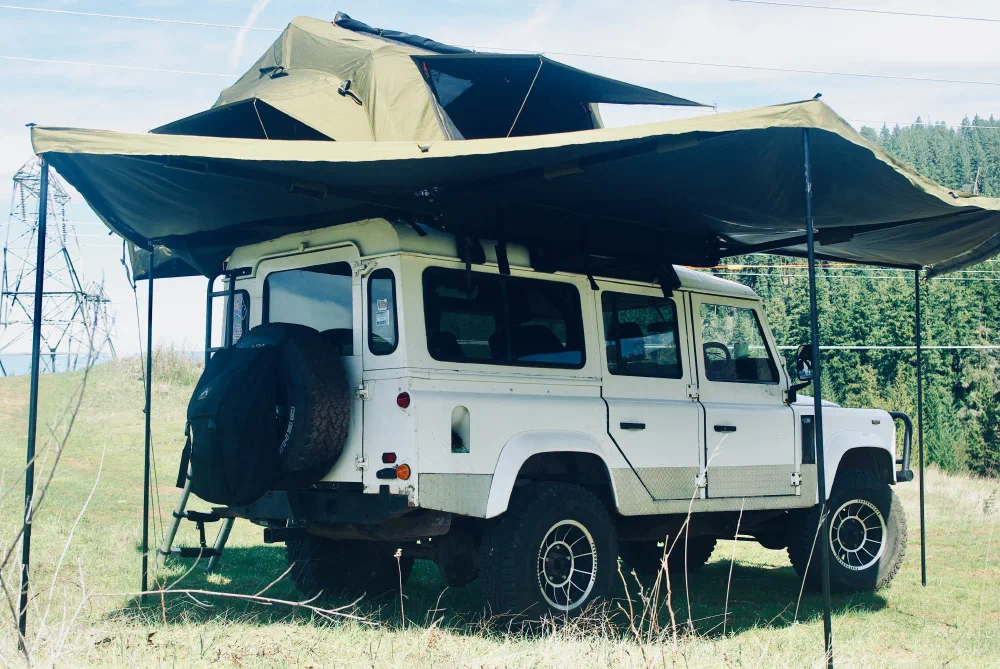
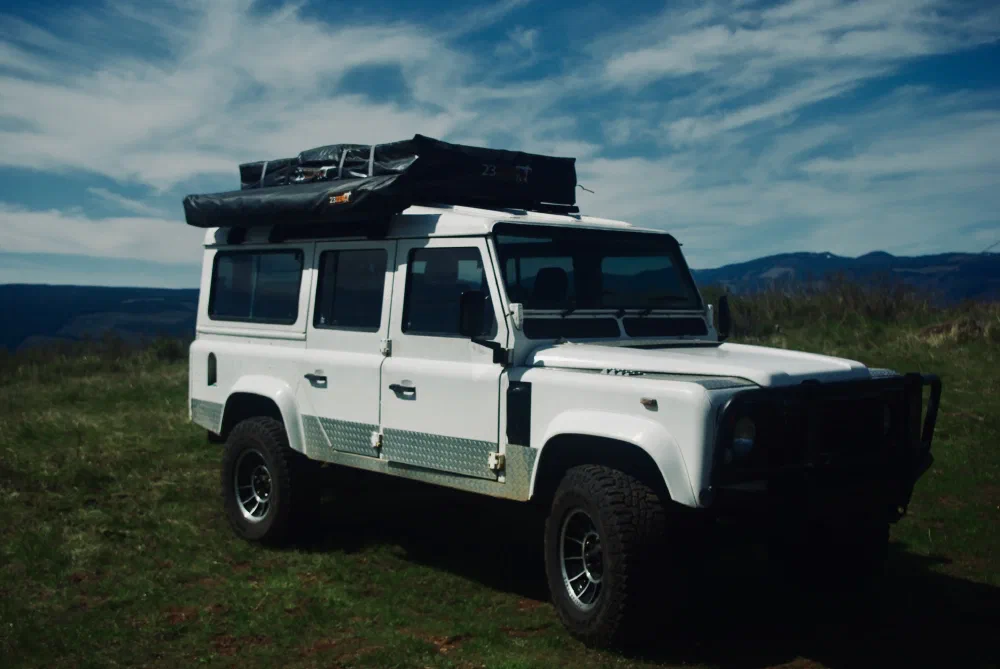
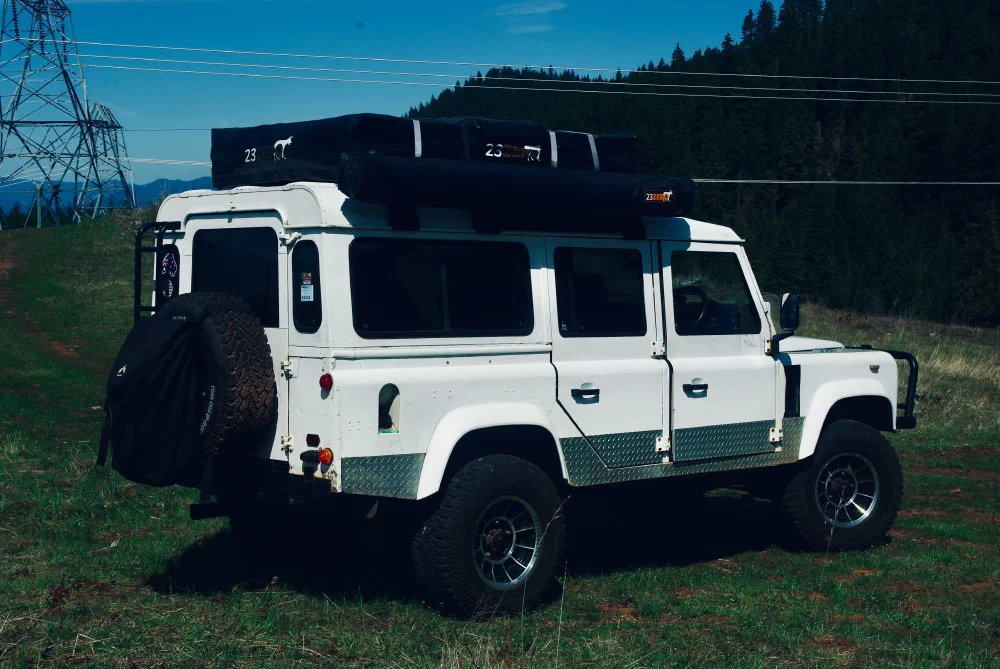
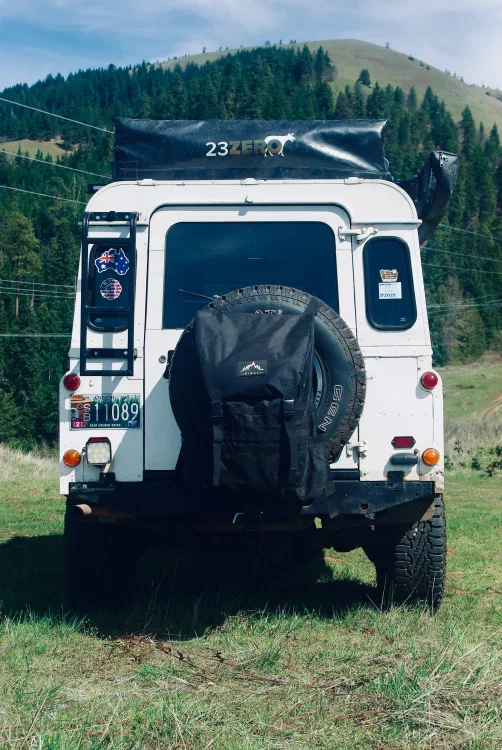
This is a 1987 Land Rover Defender 110 “Perentie”, GS (General Service) variant — one of the earliest Perenties produced and one of a handful in the United States with a clean title. It runs, drives, and is road-ready.
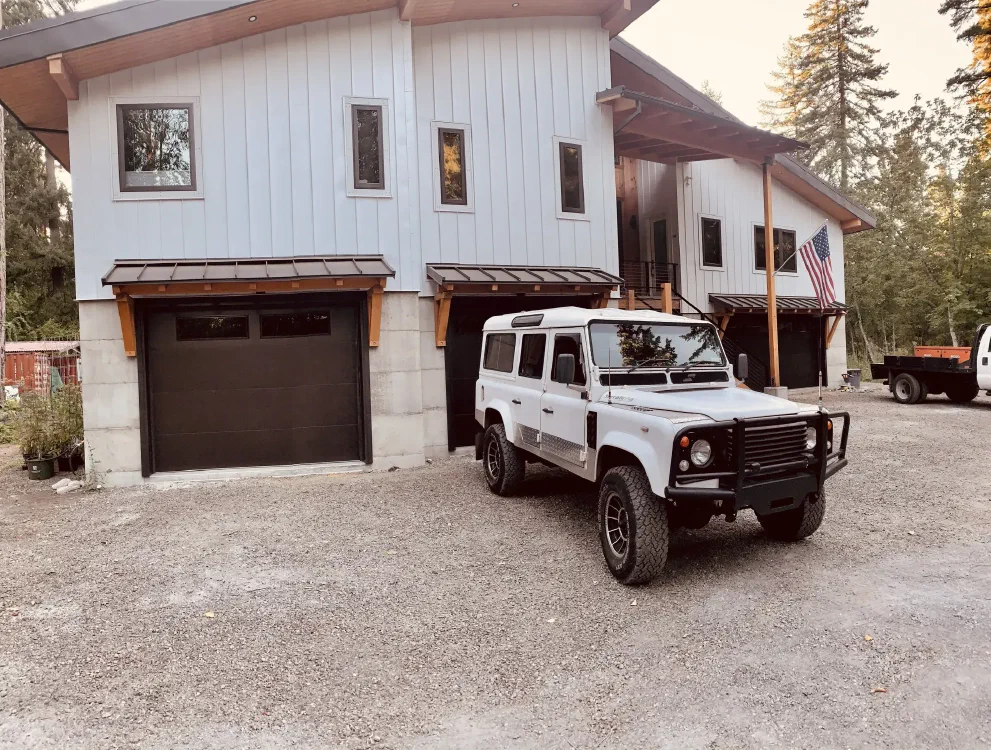
It was imported to the US under the 25-year exemption and has been in Hood River, Oregon since the current owner acquired it in fall 2020. It has been repainted white from its original military livery. The odometer reads 631,000 km — roughly 392,000 miles — and the Isuzu 4BD1 starts, runs, and drives exactly the way a truck-class diesel with another 400,000 km left in it should. Clean US title and bill of sale.
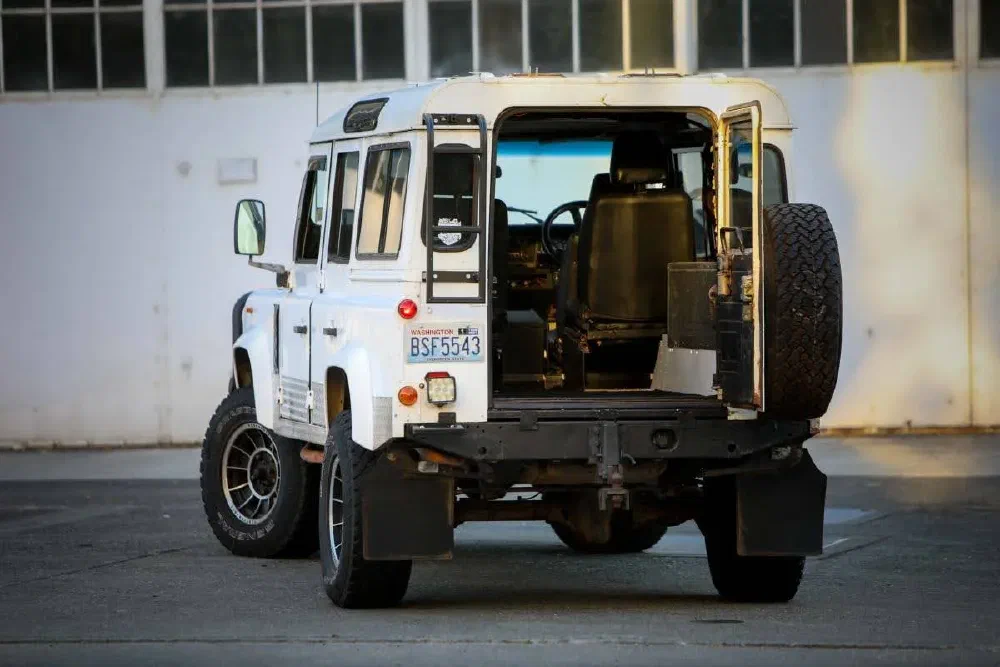
| Year | 1987 |
| Model | Land Rover Defender 110 “Perentie” (GS) |
| Engine | Isuzu 4BD1 — 3.9L naturally aspirated diesel |
| Transmission | 5-speed manual |
| Transfer Case | 2-speed (high/low range) |
| Drivetrain | 4WD with manual diff lock |
| Chassis | Galvanized steel |
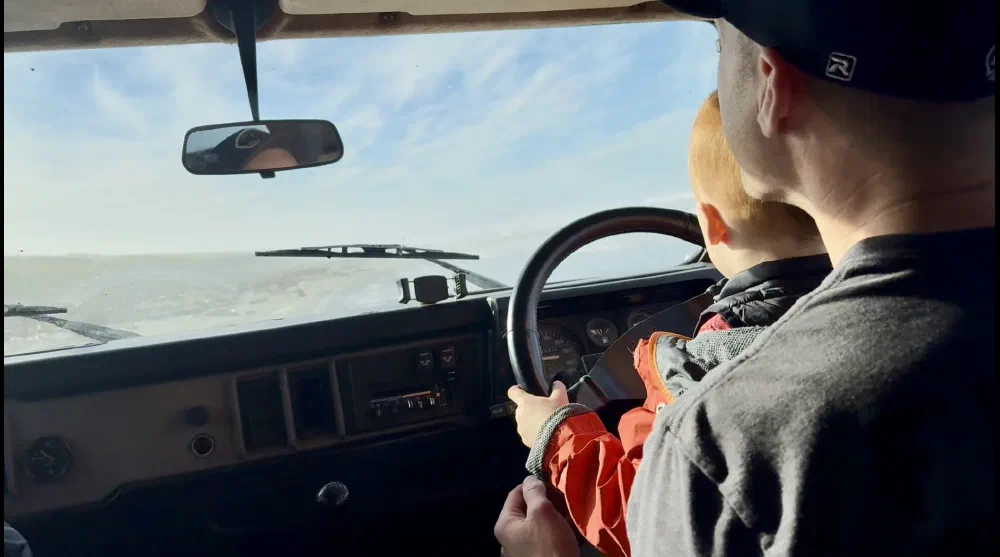
| Steering | Right-hand drive |
| Odometer | 631,000 km (~392,000 mi) |
| Exterior | White (repainted from military livery) |
| Title | Clean US title + bill of sale |
| Location | Hood River, Oregon |
Located in Hood River, Oregon. Clean US title and bill of sale. Runs, drives, road-ready.
The Perentie Story
In the early 1980s, Australia’s fleet of military Land Rovers was showing its age. The Series IIA and Series III trucks that had served the Australian Defence Force since the 1960s were overdue for replacement, and the ADF needed something tougher, more reliable, and purpose-built for the harshest operating conditions on earth.1
The answer was Project Perentie – an 18-month competitive trial that began in September 1983, pitting the Land Rover 110 against the Mercedes-Benz 300GD, the Jeep AM10, the Unimog, and eventually the Toyota Land Cruiser.1 Land Rover won the contract, but the vehicles the ADF ordered were not ordinary Defenders…
Built to Last: The Isuzu 4BD1
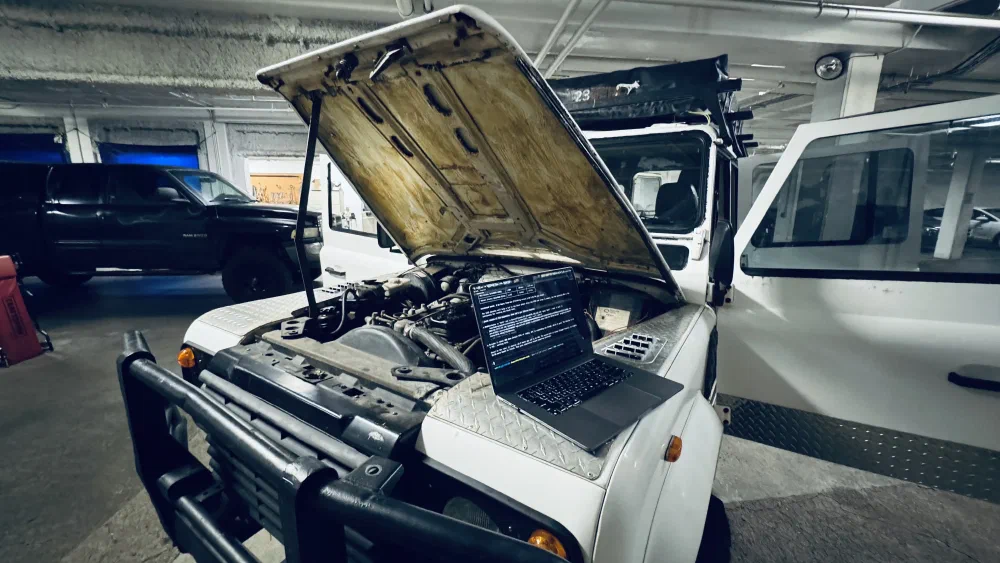
The most consequential engineering decision in Project Perentie was hiding under the bonnet. Rather than use Land Rover’s own engines, the ADF specified the Isuzu 4BD1 – a 3.9-litre, naturally aspirated, direct-injection four-cylinder diesel originally designed for Isuzu’s medium-duty truck line (4 to 8 tonne class).3
The logic was simple: the Rover diesel engines of the era were underpowered and fragile by military standards. The Isuzu, by contrast, was a commercial truck engine dropped into a vehicle that weighed a fraction of what it was designed to haul. In a Perentie, the 4BD1 loafs along at a fraction of its rated capacity – producing around 86-92 horsepower and abundant low-end torque through a 5-speed manual gearbox and two-speed transfer case.3 It’s an engine so understressed in this application that it’s widely regarded as nearly unbreakable.
That understressed design philosophy is why you see Perenties with 500,000, 600,000, even 700,000 kilometres on the original engine still running strong. The 4BD1 is not fast. It is not refined. What it is, is nearly unkillable – and in a vehicle built for expeditionary use in the Australian outback, that mattered more than anything else.
Rarer Than You Think
When the ADF began decommissioning Perenties in 2013, most were sold through Australian government surplus auctions. Many stayed in Australia, where they’ve become a cult vehicle for overlanders and collectors. But very few have ever left the country.4
Getting one to the United States requires navigating the EPA and NHTSA’s 25-year import rule, which exempts vehicles older than 25 years from federal safety and emissions standards.5 That opened the door for Perenties starting around 2012, and a trickle have made it stateside since then. The exact number is unknown, but credible estimates put it in the low dozens – you are far more likely to see a Ferrari on an American road than a Perentie.
That scarcity is a big part of what makes these trucks interesting to collectors. Only about 2,500 of the 4x4 variant were ever built, they were never sold to civilians, and most remain in Australia. A Perentie in the US with a clean title is a genuinely rare thing. The UK-based restorer Arksen now offers full frame-off Perentie restorations starting north of $95,000 – which tells you where the market thinks these trucks are headed.6
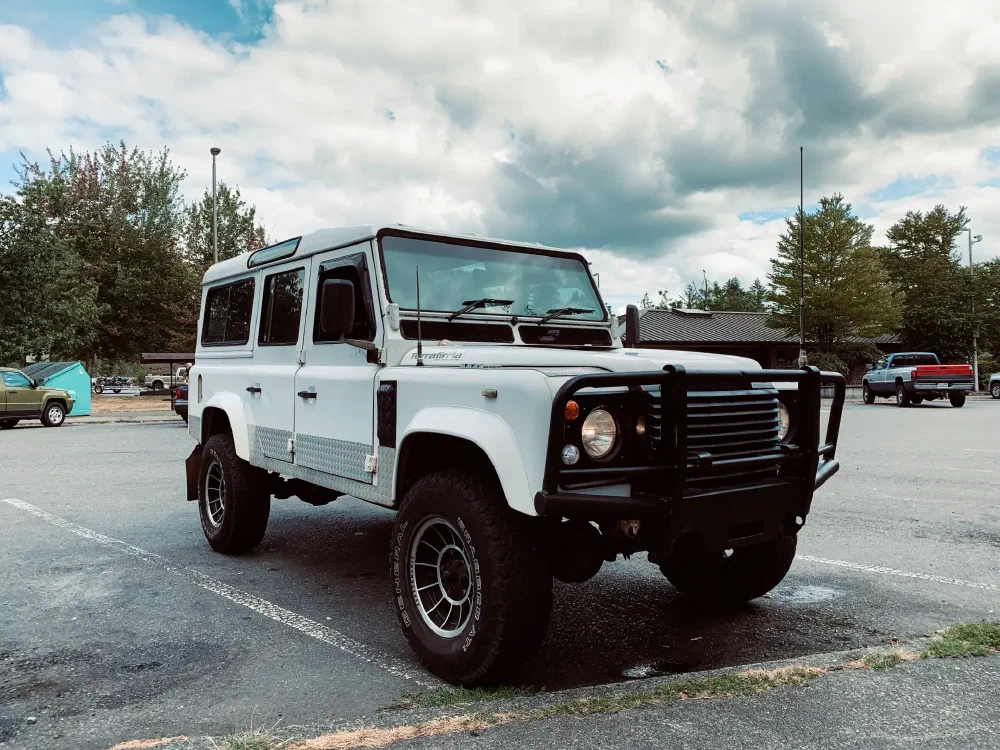
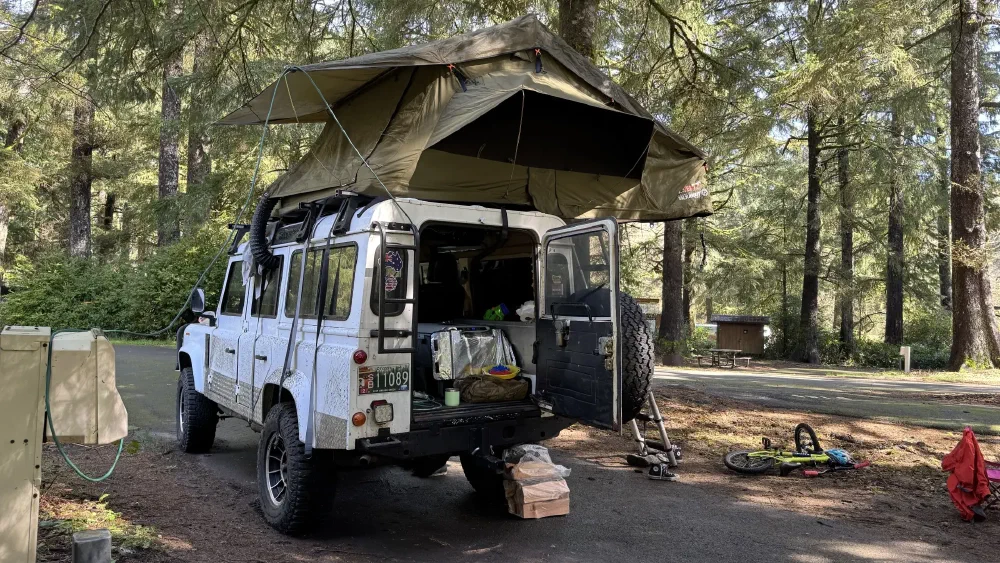
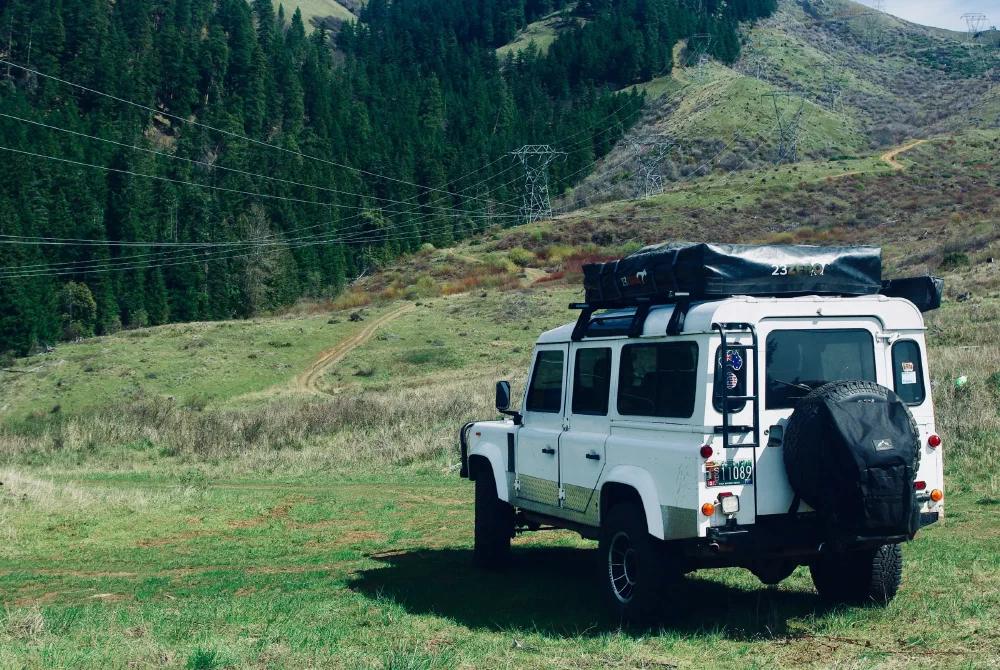
More Photos
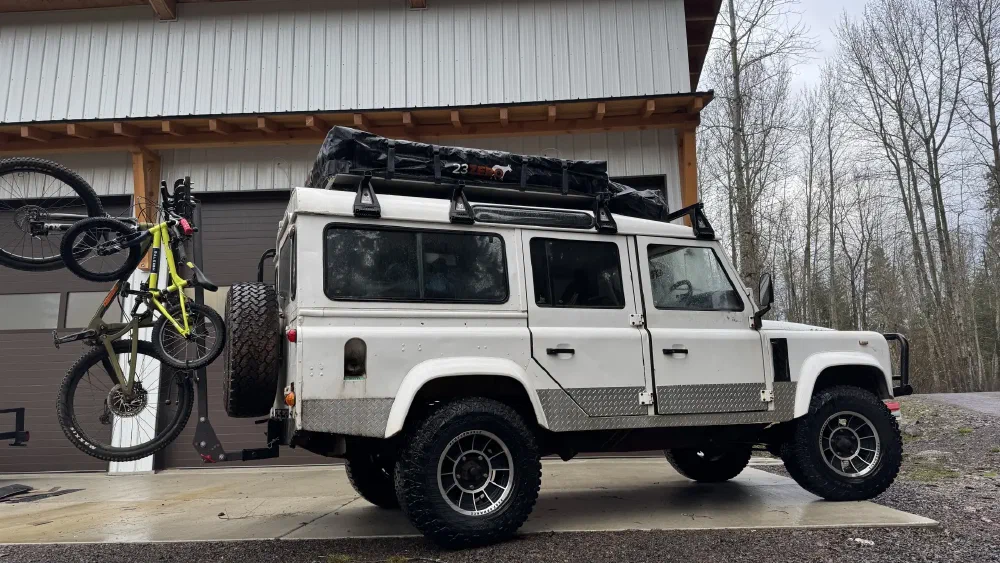
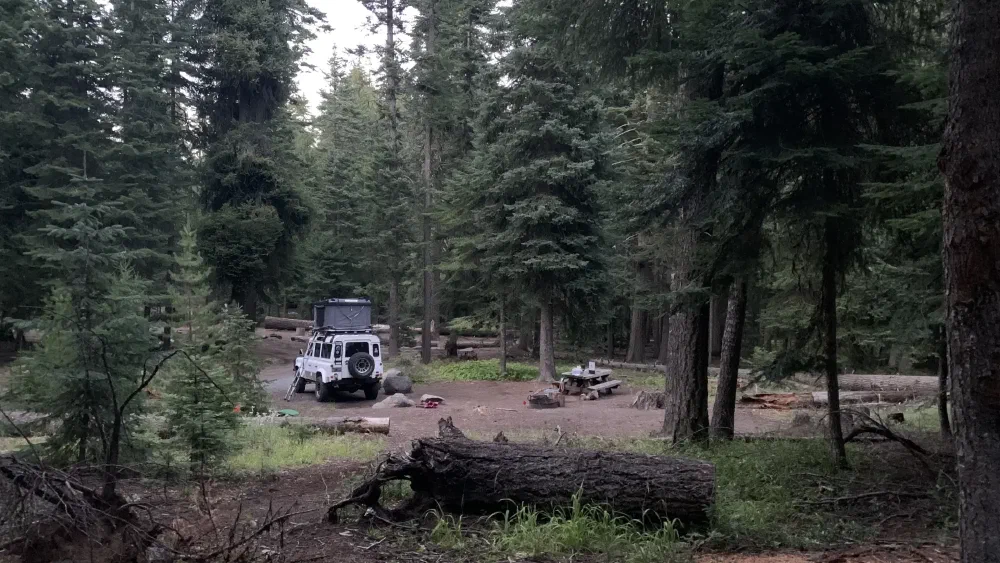
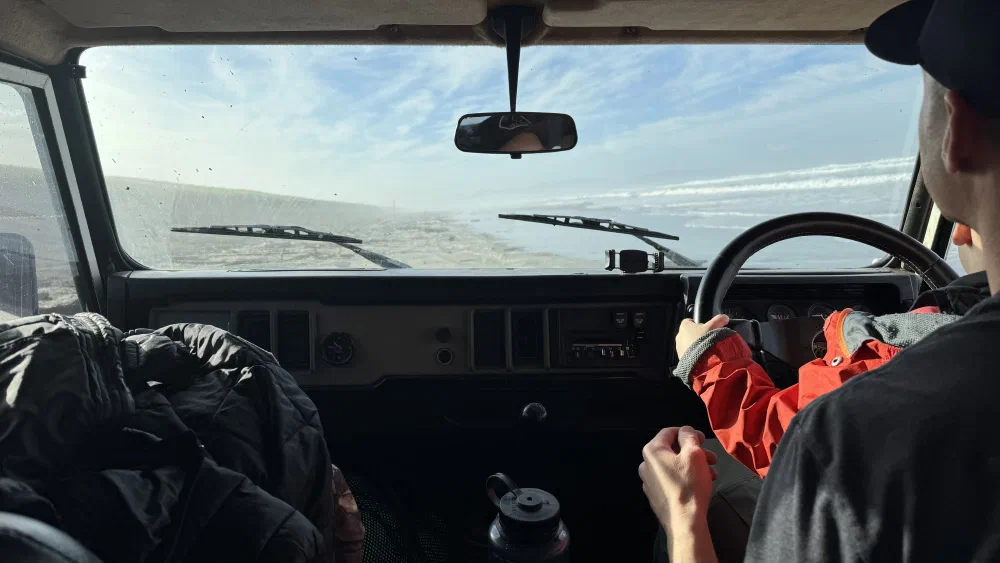
Video
Contact
Interested? Have questions about the truck’s history, condition, or logistics? Fill out the form below and the owner will get back to you.
Where This Truck Fits in the Market
This truck is priced as an honest, running, road-ready Perentie — not a concours restoration. For context on where the broader Land Rover Defender 110 market sits, here’s what comparable trucks have sold for:
| Defender 110 L316 — average sale | $53,857 |
| NAS (North American Spec) Defender 110 Hard Top — average | $103,945 |
| 1993 NAS Defender 110 — Bonhams (2024) | $123,200 |
| 1993 NAS Defender 110 — Bonhams | $112,000 |
| 1991 Defender 110 200Tdi 5-spd — dealer | $36,500 |
| 1989 Perentie 4x4, 28,000 km — Bring a Trailer (no reserve) | $23,500 |
| Arksen P110 frame-off Perentie restoration | $95,000–$109,000 |
| Arkonik / ECD Automotive custom Defender 110 builds | $140,000–$300,000 |
The takeaway: the Land Rover Defender 110 market in the US averages around $54,000. Restored examples and NAS models routinely clear $100,000. Custom restomods exceed $250,000.
At $25,000, this Perentie sits well below the broader market. What you’re getting is the same galvanized chassis, the same legendary Isuzu 4BD1 diesel, and a clean US title — for a fraction of what a restored Defender costs.